


 By guest - August 10, 2026
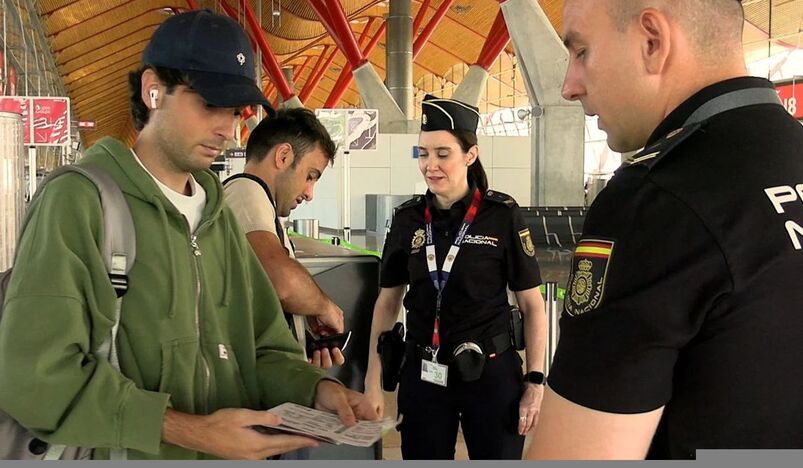
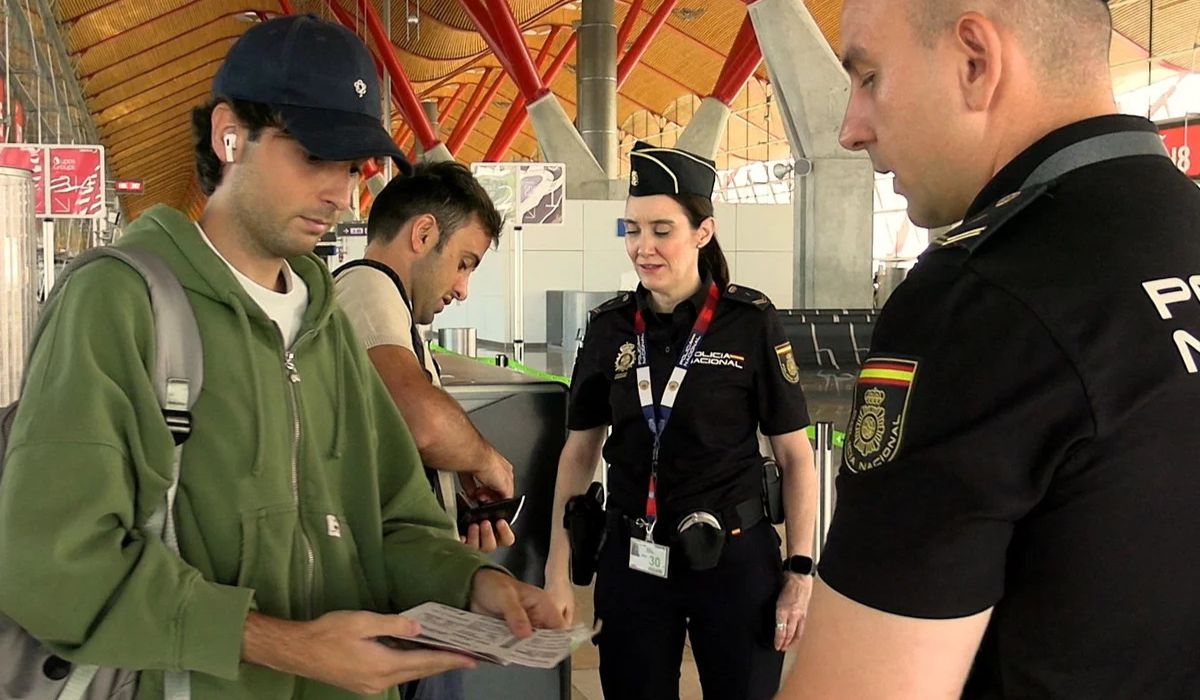
Spain has begun temporarily restoring internal border checks on travellers arriving from Italy, a retaliatory step that sharpens a widening rift between two of the European Union’s largest member states. The Spanish Interior Ministry said the checks at ports and airports took effect at the start of Saturday and would remain in force until September 7 unless circumstances change.
The move is a direct response to Italy, which on August 1 reintroduced its own checks on travellers arriving from Spain. Madrid condemned Rome’s measure as taken without prior notification and described it as unjustified and discriminatory, arguing it ran contrary to the interests of the European Union. Spain had earlier set a two-day deadline for Italy to reverse course before announcing its countermeasures within hours of that window closing.
Roots in the Ceuta crisis
The dispute stems from the recent migration surge in Ceuta, a Spanish enclave on the North African coast, where large numbers of people crossed from Morocco on foot and by sea in late July. The arrivals unsettled other EU governments that have hardened their stance on irregular migration, and Italy moved to impose entry checks in the aftermath.
Italian Prime Minister Giorgia Meloni characterised her country’s checks as an extraordinary measure intended to safeguard national security. Rome said the controls apply to non-EU nationals rather than to Spanish or other EU citizens travelling by air or sea, and pledged that its border authorities would try to limit disruption to legitimate travel. Italy indicated it would keep the measures in place until at least August 15.
A war of words
Rome pushed back firmly against Madrid’s pressure. Italy “does not accept ultimatums or impositions from abroad” on national security and border control, Meloni’s office said, adding that the controls would be reconsidered only once it was satisfied there was no security risk or fresh wave of arrivals heading toward European territory.
Spain, for its part, warned against creating what it called sterile conflicts driven by domestic electoral motives and said it hoped pro-European sentiment and good faith would prevail. Officials in Madrid stressed that migrants who entered Ceuta were never able to move freely within the Schengen area, given the enclave’s special status, and noted that the vast majority have since returned to Morocco.
Analysts question the rationale
Because Spain and Italy share no land border, the checks affect only air and sea travel between the two countries. Some analysts and rights groups have characterised the escalating measures as political theatre, pointing out there was little practical prospect of people who arrived in Ceuta travelling onward to Italy. The episode has nonetheless exposed deep divisions within the bloc, with a group of EU member states having signed a joint letter accusing Spain of contributing to pressures on the union’s external borders.
For travellers, the immediate effect is longer processing at ports and airports on routes between the two countries during peak summer season, with authorities on both sides saying they will try to keep delays for EU citizens to a minimum.
_08-15-2026_03-15.jpg)
_14-43-2026_09-43.jpg)



_20-08-2026_05-08.jpg)
_27-51-2026_11-51.png)
_27-43-2026_12-43.png)



.jpg)
.jpg)




.jpg)


.jpg)
.png)
.jpg)













Leave a comment